
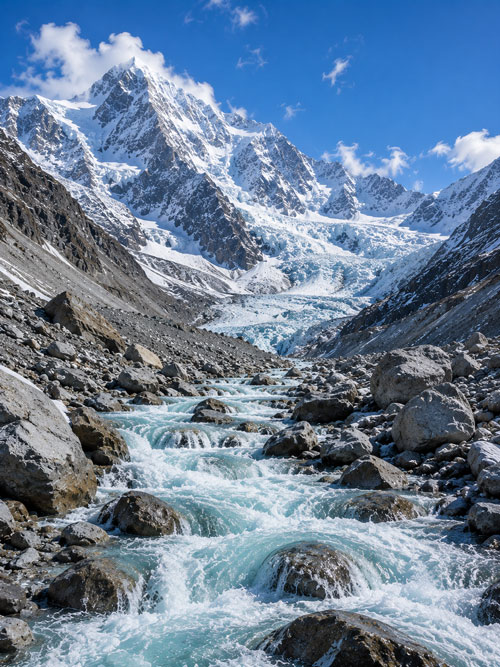
How Natural Mineral Water Is Sourced: From Nature to Your Bottle
Introduction
When you pick up a bottle of premium natural mineral water, you’re holding something that began its journey long before it reached the shelf. Unlike ordinary treated drinking water, natural mineral water is shaped by nature over many years. Rain and snow slowly seep into the earth, passing through layers of rock where the water is naturally filtered and enriched with minerals before emerging from a protected underground source.
This remarkable journey gives natural mineral water its distinctive taste, naturally occurring minerals, and premium character. It also explains why the source of the water is one of the most important factors in determining its quality.
In this guide, we’ll explore how natural mineral water is sourced, why protected underground aquifers matter, how geological filtration works, and what makes premium bottled water different from ordinary drinking water. Whether you’re a consumer looking for better hydration or a hospitality professional seeking high-quality bottled water, understanding the origin of your water helps you make informed choices.
What Is Natural Mineral Water?
Natural mineral water is water that originates from a protected underground source, such as a spring or aquifer. As the water slowly travels through layers of rock beneath the earth, it undergoes a natural filtration process and absorbs minerals from the surrounding geological formations.
Unlike water that is heavily treated before bottling, natural mineral water is valued for its natural origin, distinctive taste, and naturally occurring mineral composition. It is typically bottled close to the source to preserve these characteristics.
The exact mineral profile can vary depending on the geology of the region, which is why every natural source has its own unique identity.
Key Characteristics of Natural Mineral Water
- Sourced from protected underground springs or aquifers
- Naturally filtered through geological formations
- Contains naturally occurring minerals
- Bottled close to the source
- Produced under strict quality and hygiene standards
Natural mineral water is appreciated not only for its purity but also for the story behind every bottle—a journey shaped by nature over time.
Why the Source of Water Matters
When people purchase bottled water, they often focus on the packaging, the brand, or the price. However, one of the most important factors is often overlooked—the source of the water.
The source determines much more than where the water comes from. It influences its mineral composition, taste, purity, and the amount of processing required before bottling.
Natural mineral water begins its journey in carefully protected environments where nature performs most of the purification process long before the water reaches a bottling facility.
Unlike ordinary drinking water, which may come from treated municipal supplies or various groundwater sources, natural mineral water originates from specific underground sources that are naturally protected from external contamination.
This unique origin is one of the reasons premium natural mineral water is appreciated by consumers, luxury hotels, fine-dining restaurants, and wellness-focused individuals around the world.
The Journey Begins in the Himalayas
Every bottle of premium Himalayan water begins a remarkable journey high above sea level.
Snowfall and rainfall accumulate across mountain landscapes throughout the year. As temperatures rise, melting snow slowly seeps into the ground instead of immediately flowing downstream.
This marks the beginning of an extraordinary natural process.
Rather than rushing directly into rivers, the water gradually penetrates deep beneath the Earth’s surface, moving through layers of rock over many years.
Unlike artificial filtration systems that complete purification within minutes or hours, nature performs this process slowly and continuously.
Every layer of earth acts as a natural filter.
This slow movement allows suspended particles to settle while water interacts with mineral-rich geological formations.
Over time, the water reaches naturally protected underground reservoirs known as aquifers, where it remains shielded until it emerges through natural springs.
Nature’s Own Purification Process
One of the greatest advantages of natural mineral water is that nature performs most of the purification itself.
As water moves underground, it passes through different geological layers such as:
- Gravel
- Sand
- Limestone
- Quartz
- Granite
- Mineral-rich rock formations
Each layer contributes to the natural filtration process.
Rather than relying solely on mechanical treatment, the earth acts as a giant natural filtration system.
This geological journey helps remove many suspended particles while allowing the water to acquire its naturally balanced characteristics.
The result is crystal-clear water with a distinctive taste that reflects its unique geological origin.
Understanding Geological Filtration
Geological filtration is one of nature’s oldest purification systems.
Imagine millions of tiny pathways within underground rocks.
Water slowly travels through these microscopic channels over months, years, and sometimes even decades.
During this time, the surrounding rocks naturally influence the water’s composition.
This is why water from different regions can taste noticeably different.
The geological environment creates a unique mineral signature that becomes part of the water’s identity.
Because every mountain range has different rock formations, every natural water source develops its own characteristics.
This natural process cannot simply be replicated in a laboratory.
Protected Underground Aquifers
One of the most valuable natural resources on Earth is an underground aquifer.
An aquifer is a geological formation that stores groundwater beneath the surface.
These underground reservoirs are protected from direct exposure to pollution, sunlight, and many external contaminants.
For premium natural mineral water, aquifers play a vital role.
They act as nature’s storage system, preserving water until it is carefully extracted for bottling.
Responsible water companies carefully monitor these sources to ensure long-term sustainability and quality.
Protecting an aquifer today helps preserve clean water for future generations.
How Minerals Naturally Enter the Water
Many people wonder how mineral water gets its minerals.
The answer is surprisingly simple.
Nature does the work.
As water slowly flows through mineral-rich rocks, tiny amounts of naturally occurring minerals dissolve into the water.
This process occurs gradually over many years.
Unlike artificially fortified beverages, these minerals are not added after production.
Instead, they become part of the water naturally during its underground journey.
The exact mineral profile depends on the geological composition of the surrounding rock.
This is why every natural mineral water source is unique.
Common Naturally Occurring Minerals
Natural mineral water may contain several naturally occurring minerals, depending on its source.
Calcium
Calcium is one of the most common naturally occurring minerals found in many natural waters.
It contributes to the water’s overall mineral balance and taste profile.
Magnesium
Magnesium is another naturally occurring mineral commonly present in mineral water.
It contributes to the refreshing taste that many consumers associate with premium water.
Potassium
Potassium occurs naturally in some geological formations and contributes to the overall mineral composition of the water.
Bicarbonates
Bicarbonates help create a smooth, pleasant drinking experience and are commonly found in many natural mineral waters.
Silica
Silica is a naturally occurring trace mineral found in certain underground water sources, depending on the surrounding geology.
Why Every Water Source Tastes Different
Have you ever noticed that bottled water from different brands doesn’t taste exactly the same?
That’s because the taste of water is influenced by:
- Geological formations
- Natural mineral composition
- Source location
- Water age
- Underground journey
Natural mineral water develops its own identity based on where it originates.
This unique taste is one reason premium bottled water is appreciated by chefs, sommeliers, hospitality professionals, and consumers who value refined dining experiences.
Why Premium Brands Protect Their Water Sources
The quality of natural mineral water begins long before bottling.
Premium producers invest heavily in protecting their natural sources through:
- Controlled access to the source
- Regular environmental monitoring
- Sustainable water extraction
- Continuous quality testing
- Conservation of surrounding ecosystems
Protecting the environment around a water source is just as important as protecting the water itself.
Healthy ecosystems help maintain the purity and long-term sustainability of natural springs and aquifers.
Nature Takes Time
One of the most remarkable aspects of natural mineral water is time.
Unlike industrial processes that can produce treated water quickly, nature follows its own pace.
Every drop has spent years moving through layers of earth before reaching the source.
This slow natural journey is part of what gives premium mineral water its distinctive character, balanced taste, and unique identity.
It is a reminder that some of the finest things in nature cannot be rushed.
Bottling at the Source: Preserving Nature’s Purity
Once natural mineral water reaches a protected underground source, the next step is just as important as the journey itself—bottling.
Premium natural mineral water is typically bottled at or very close to its source. This approach helps preserve the water’s original characteristics and reduces unnecessary handling during transportation.
Unlike water that travels long distances before processing, bottling at the source helps maintain the water’s freshness and naturally balanced composition.
Modern bottling facilities are designed to operate under strict hygiene and food safety standards, ensuring every bottle reaches consumers in excellent condition.
The Bottling Process
Although each producer may have its own manufacturing practices, premium bottled water generally follows a carefully controlled process.
Step 1: Water Collection
Water is drawn from the protected underground source using controlled extraction methods designed to preserve both quality and sustainability.
Step 2: Quality Inspection
Before entering the production line, samples are checked to ensure they meet established quality standards.
Routine testing may include:
- Physical characteristics
- Chemical composition
- Microbiological analysis
- Taste and odor evaluation
Step 3: Hygienic Bottling
The water is filled into food-grade bottles using automated equipment in a controlled environment designed to minimize contamination risks.
Step 4: Sealing
Each bottle is securely sealed with a tamper-evident cap to help protect product integrity during storage and transportation.
Step 5: Packaging
Finished bottles are packed, inspected, and prepared for distribution to retailers, hotels, restaurants, corporate offices, and consumers.
Quality Assurance at Every Stage
Premium bottled water brands place quality at the center of their operations.
Quality assurance doesn’t happen only once—it continues throughout the production process.
Typical quality control includes:
- Source monitoring
- Water sampling
- Laboratory testing
- Bottle inspection
- Cap integrity checks
- Label verification
- Packaging inspection
- Batch traceability
These procedures help ensure consistency from one bottle to the next.
Laboratory Testing
Modern laboratories evaluate bottled water using internationally recognized testing methods.
Common laboratory checks include:
Physical Testing
Evaluates characteristics such as:
- Appearance
- Clarity
- Odor
- Color
- Turbidity
Chemical Analysis
Measures naturally occurring mineral content and other quality parameters to ensure compliance with applicable standards.
Microbiological Testing
Checks for microorganisms that could affect product safety or quality.
Routine microbiological testing is a key component of food safety programs.
Packaging Matters Too
A premium product deserves premium packaging.
Modern bottled water packaging is designed not only for appearance but also for product protection.
High-quality bottles help preserve freshness while providing convenience for consumers.
Premium bottled water is commonly available in:
- PET bottles
- Premium glass bottles
Each serves different customer needs, from everyday hydration to luxury hospitality.
Why Premium Hotels Choose Natural Mineral Water
Walk into a five-star hotel or fine-dining restaurant almost anywhere in the world, and you’ll often find premium bottled water served alongside meals.
This isn’t simply about offering water—it’s about creating a refined guest experience.
Premium bottled water complements luxury hospitality through:
- Elegant presentation
- Consistent quality
- Distinctive taste
- Professional branding
- Guest confidence
Water is one of the first and last beverages many guests enjoy during their visit, making it an important part of the overall dining and hospitality experience.
Natural Mineral Water vs Treated Drinking Water
| Feature | Natural Mineral Water | Treated Drinking Water |
| Source | Protected underground spring or aquifer | Municipal or approved water source |
| Filtration | Natural geological filtration | Mechanical purification processes |
| Minerals | Naturally occurring | May vary depending on treatment |
| Taste | Naturally balanced | Usually neutral |
| Bottling | At or near the source | After treatment |
| Premium Hospitality | Widely preferred | Less common in luxury settings |
| Origin Story | Clearly defined natural source | Source may vary |
Both categories can provide safe hydration when produced according to applicable regulations, but they differ significantly in their origin, processing, and overall drinking experience.
Sustainability Starts at the Source
Protecting water begins long before it reaches the bottle.
Responsible producers recognize that natural water sources are valuable environmental resources that must be carefully managed.
Key sustainability practices may include:
- Protecting the surrounding ecosystem
- Monitoring groundwater levels
- Responsible extraction
- Reducing production waste
- Improving energy efficiency
- Supporting recyclable packaging
The goal is to preserve natural resources while continuing to provide high-quality drinking water for future generations.
Responsible Packaging
Environmental responsibility has become an important priority for the bottled water industry.
Many premium brands now focus on:
- Recyclable PET bottles
- Premium reusable glass bottles
- Lightweight packaging innovations
- Efficient transportation methods
- Waste reduction initiatives
Consumers also play an important role by recycling bottles after use and disposing of packaging responsibly.
Why Source Transparency Builds Trust
Today’s consumers want to know more about the products they buy.
They look for transparency regarding:
- Where the water comes from
- How it is bottled
- Quality standards
- Manufacturing practices
- Sustainability efforts
Brands that clearly communicate these details help build trust and long-term customer confidence.
The Revia Commitment to Quality
At Revia Premium Himalayan Water, every bottle reflects a commitment to quality, consistency, and premium presentation.
Our philosophy is simple:
Respect the source. Preserve the purity. Deliver excellence.
From carefully selected Himalayan origins to hygienic bottling and elegant packaging, every step is designed to provide a premium drinking experience for homes, businesses, hotels, restaurants, and hospitality partners.
Revia is available in multiple packaging options, including PET and glass bottles, making it suitable for everyday hydration as well as luxury hospitality environments.
Whether you’re serving guests at an executive board meeting, stocking a boutique hotel, or enjoying a bottle after a workout, Revia represents premium quality inspired by nature.
Why Choose Revia?
✔ Premium Himalayan Water
✔ Naturally Refreshing Taste
✔ Elegant PET & Glass Packaging
✔ Strict Quality Standards
✔ Suitable for Hotels, Restaurants & Corporate Offices
✔ Premium Brand Presentation
✔ Private Label Solutions Available
Frequently Asked Questions (FAQ)
1. What is the source of natural mineral water?
Natural mineral water originates from protected underground springs or aquifers. As rainwater and snowmelt slowly travel through layers of rock beneath the Earth’s surface, they undergo natural geological filtration and may absorb naturally occurring minerals from the surrounding formations. The water is then collected from carefully protected sources and bottled under strict quality standards.
2. Is natural mineral water the same as packaged drinking water?
No. Natural mineral water comes from protected underground sources and is valued for its naturally occurring mineral composition and origin. Packaged drinking water, on the other hand, is typically obtained from approved water sources and purified through treatment processes before bottling. Both can be safe to drink when produced according to applicable regulations, but they differ in their source and production methods.
3. Why is bottling at the source important?
Bottling close to the source helps preserve the water’s original characteristics by reducing unnecessary handling and transportation before packaging. This practice is widely followed by premium natural mineral water producers to maintain quality and freshness.
4. Does natural mineral water contain naturally occurring minerals?
Yes. Depending on the geological source, natural mineral water may naturally contain minerals such as calcium, magnesium, potassium, bicarbonates, and silica. The exact mineral composition varies from source to source and contributes to the water’s distinctive taste.
5. Why does natural mineral water taste different?
The taste of natural mineral water is influenced by its geological origin and mineral composition. Since each underground source has unique rock formations and mineral characteristics, different brands of natural mineral water may have slightly different taste profiles.
6. How is the quality of natural mineral water maintained?
Premium producers maintain quality through regular source monitoring, laboratory testing, hygienic bottling, food-grade packaging, and batch quality control. These processes help ensure consistent product quality from the source to the consumer.
7. Is natural mineral water suitable for everyday drinking?
Natural mineral water is intended for everyday hydration when it complies with applicable drinking water standards. Individual hydration needs vary depending on age, activity level, climate, and overall health.
8. Why do luxury hotels and restaurants serve premium mineral water?
Premium mineral water complements fine dining and hospitality by offering a refined presentation, consistent quality, and a distinctive taste. It also enhances the overall guest experience and aligns with premium service standards.
9. How is Revia Premium Himalayan Water different?
Revia is sourced from premium Himalayan origins and bottled under strict quality standards. It offers a naturally refreshing taste, elegant packaging, and is available in both PET and glass bottles for homes, hospitality businesses, corporate offices, and special events.
10. Does the source really matter when choosing bottled water?
Yes. The source influences the water’s journey, mineral composition, taste, and overall character. A protected natural source is one of the defining features of premium natural mineral water.
Final Thoughts
The story of natural mineral water begins long before the bottle reaches your hands. It starts with rain and snow in pristine mountain environments, continues through years of natural filtration beneath the earth, and ends with careful bottling under strict quality standards.
This remarkable journey is what gives premium natural mineral water its distinctive identity. From protected underground aquifers to naturally occurring minerals and responsible bottling practices, every step reflects nature’s craftsmanship and human commitment to preserving it.
Choosing a premium water brand is about more than hydration. It is about understanding the source, appreciating the care behind the process, and enjoying water that retains the character of its natural origin.
At Revia Premium Himalayan Water, we are proud to bring that journey to every bottle. By combining carefully selected Himalayan origins, rigorous quality assurance, and elegant packaging, we offer a drinking experience designed for those who value purity, consistency, and refinement.
Whether you are a homeowner, traveler, hospitality professional, or business owner, choosing water with a trusted source allows you to enjoy every sip with confidence.
Because when nature takes years to create something extraordinary, every drop deserves to be appreciated.